
Build a Custom Digital Marketing Strategy: Your Practical Roadmap to Tailored Growth
Digital marketing moves fast — and cookie‑cutter plans don’t keep up. A custom strategy that lines up with your goals and the people you want to reach is the difference between wasted spend and measurable growth. This guide walks you through the core elements of a tailored digital plan: understanding your brand, setting clear goals, and choosing the right channels. Follow these steps and you’ll leave with a straightforward roadmap to grow awareness and boost conversions.
Too many teams struggle to actually connect with their customers — and that costs time and money. A focused digital strategy fixes that by giving you a repeatable way to reach the right people with the right message. We’ll define what a customized strategy looks like, why brand and audience clarity matter, how to set SMART goals, and which channels typically move the needle.
What Is a Customized Digital Marketing Strategy and Why Is It Essential?
A customized digital marketing strategy tailors your tactics to specific business goals and audience needs. It’s essential because it helps you spend smarter — concentrating effort on channels and messages that actually work for your business. When you match content to real customer needs, engagement and conversions improve predictably.
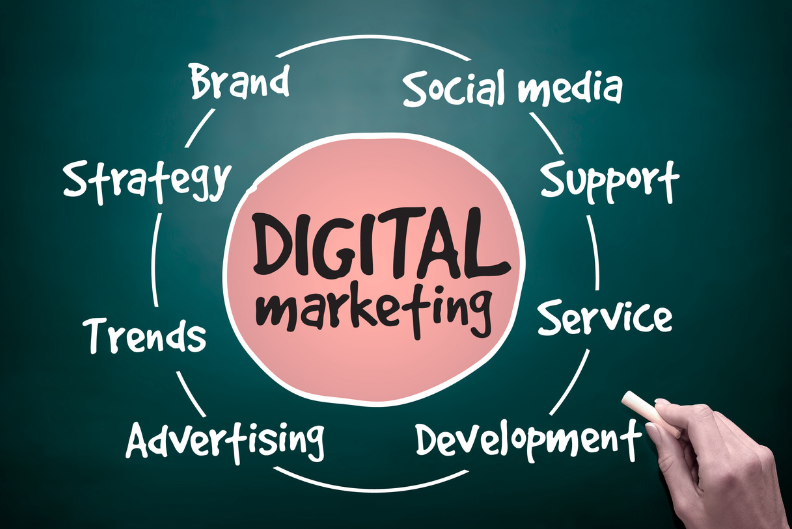
Defining Tailored Digital Marketing Plans for Business Success
A tailored plan combines a few core pieces that, when aligned, drive results. Key components include:
- Target Audience Identification: Know who your customers are, how they behave, and what they need — that’s the foundation of any effective message.
- Content Strategy: Create content that answers your audience’s questions and eases their pain points to build trust and move them forward.
- Channel Selection: Put your effort where your audience already spends time so your outreach is efficient and effective.
When these pieces work together, you’ll see better engagement and higher conversion rates.
How Custom Strategies Drive Qualified Leads and Accelerate Growth
Custom strategies attract higher‑quality leads because they speak to specific needs. Personalized email sequences, for example, often produce stronger open and click rates than generic blasts. Targeted social ads can lift acquisition while keeping cost per lead down. By focusing on what your audience actually cares about, you speed up growth and improve ROI.
How Do You Understand Your Brand and Target Audience for Effective Strategy Development?
Knowing your brand and audience is a prerequisite for anything that follows. That means clearly defining your purpose, values, and personality, and turning research into buyer personas that guide messaging and media choices.
Identifying Brand Identity: Purpose, Values, and Personality
A clear brand identity shapes how people feel about you and influences buying decisions. To define it, ask:
- Purpose: Why does your business exist?
- Values: What principles steer your choices?
- Personality: How should people perceive your brand — friendly, expert, bold?
Answer these and you’ll have a consistent voice that resonates across channels.
Creating Buyer Personas and Mapping Customer Journeys
Buyer personas are semi‑fictional profiles based on real data. To build useful personas:
- Conduct Research: Use surveys, interviews, and analytics to learn who your customers are and how they behave.
- Identify Pain Points: Pinpoint the problems your product or service solves.
- Map Customer Journeys: Chart the typical steps people take from discovery to purchase and mark the moments you can influence them.
Customer journey maps show where to focus content and which touchpoints need optimization.
Research underlines that integrating persona-driven thinking into journey mapping improves understanding of customer needs and boosts satisfaction.
Customer Journey Mapping & Personas for Tailored Strategies
In competitive markets, the interaction between touchpoints, the customer journey, and personas is crucial. This work explains how embedding persona-based processes into journey mapping helps teams better understand customer needs and increases overall satisfaction.
Customer Journey Mapping–Prozesse, Touchpoints & Personas, 2024
How Can You Set SMART Goals and KPIs to Measure Digital Marketing Success?
SMART goals (Specific, Measurable, Achievable, Relevant, Time‑bound) give your strategy structure and make performance clear. They turn vague ambitions into concrete targets you can track and optimize.
Establishing Specific, Measurable, Achievable, Relevant, and Time-Bound Objectives
Use the SMART checklist when you plan campaigns:
- Specific: State the exact outcome you want.
- Measurable: Pick metrics that prove progress.
- Achievable: Set realistic targets based on baseline data.
- Relevant: Tie goals to broader business priorities.
- Time‑bound: Give yourself a clear deadline.
Example: increase organic website sessions by 25% in six months through focused SEO improvements.
Selecting Key Performance Indicators to Track ROI and Performance
Choose KPIs that reflect your goals. Common, reliable options include:
- Website Traffic: Tracks volume and sources of visitors.
- Conversion Rate: Shows how well visits turn into actions.
- Customer Acquisition Cost: Tells you how much each new customer costs.
Picking the right KPIs lets you measure ROI and make data‑driven adjustments.
Which Digital Marketing Channels Should You Choose for Your Custom Strategy?
Channel choice depends on where your audience spends time and what fits your goals. Most winning strategies mix organic and paid tactics to balance reach and efficiency.
Integrating SEO, PPC, Social Media, and Email Marketing Effectively
A balanced approach typically includes:
- Search Engine Optimization (SEO): Improves organic visibility and long‑term traffic.
- Pay-Per-Click (PPC) Advertising: Delivers immediate visibility for specific keywords and audiences.
- Social Media Marketing: Builds community and keeps your brand top‑of‑mind on platforms like Facebook, Instagram, LinkedIn, and X.
- Email Marketing: Nurtures leads and keeps customers coming back with targeted campaigns.
When these channels work together, you get consistent reach and better conversion paths.
Leveraging Website Development and Generative Engine Optimization
Your website is the hub of your strategy. Good UX, fast load times, and clear navigation support every channel. Generative Engine Optimization (GEO) is an emerging practice for optimizing content for AI-powered search and generative tools — a smart forward‑looking investment to keep your content discoverable.
Prioritize responsive design and speed to improve both user experience and conversion rates.
How Do You Craft Compelling Content Strategies That Convert?
Compelling content answers questions, solves problems, and nudges people toward action. A clear content plan keeps your work focused and consistent.
Developing Content Pillars and Editorial Calendars
Content pillars are the main themes you’ll publish around. To build them:
- Identify Core Topics: Pick themes that align with your brand and customer needs.
- Create an Editorial Calendar: Schedule content so you publish consistently and support campaigns.
An editorial calendar prevents scattershot publishing and keeps your content aligned with business goals.
Utilizing Multimodal Content: Video, Infographics, and Calls-to-Action
Mix formats to reach different people and boost engagement. Try:
- Video Content: Great for explaining ideas and building familiarity.
- Infographics: Make complex data easy to scan and share.
- Calls-to-Action (CTAs): Use clear CTAs to guide users to the next step — signup, demo, or purchase.
Multimodal content helps you meet audiences where they prefer to consume information.
How Can Data Analytics and Continuous Optimization Enhance Your Digital Marketing Strategy?

Data should be the engine that refines your strategy. Good analytics turn activity into insight so you can prioritize what actually moves the business forward.
Using Deep Analytics and A/B Testing for Informed Decision-Making
Deep analytics means bringing together data from multiple sources to understand customer behavior. A/B testing lets you compare small changes and scale the winners — for example, testing two subject lines to see which one drives higher opens.
This evidence‑based approach helps you improve results reliably over time.
Leadership increasingly expects marketing to show measurable impact — robust analytics are the only reliable way to prove and improve performance.
Digital Analytics for Measuring & Optimizing Marketing Performance
Measuring marketing’s financial impact is now an operational requirement. While analytics tools offer new visibility into customer behavior, organizations still struggle to use the data effectively. This research explores how companies can apply digital analytics to measure and optimize marketing performance, highlighting both the potential and the practical limits.
The use of digital analytics for measuring and optimizing digital marketing performance, J Järvinen, 2016
Adapting Strategies Based on Performance Metrics and Market Trends
Continuous optimization means staying flexible: review KPIs regularly, watch market signals, and be ready to shift budget or creative toward what’s working. That agility is how you seize new opportunities and protect results against changing conditions.
Teams that iterate quickly hold the advantage in fast-moving markets.
This table shows how different tactics deliver unique advantages so you can prioritize the mix that matches your goals.
In short, a custom digital marketing strategy is the best way to compete and grow in today’s landscape. Start by clarifying your brand and audience, set measurable SMART goals, pick the right channels, and use data to iterate. If you’d rather move faster, a full‑service partner like Punch Bug Marketing can help implement these steps and scale your results.
Frequently Asked Questions
What are the benefits of using buyer personas in digital marketing?
Buyer personas help businesses understand their customers on a deeper level by providing insights into demographics, behaviors, and pain points. This understanding allows for more targeted messaging and content creation, which can lead to higher engagement and conversion rates. By aligning marketing efforts with the specific needs and preferences of different personas, businesses can create more effective campaigns that resonate with their audience, ultimately driving better results and improving customer satisfaction.
How can businesses ensure their digital marketing strategy remains relevant over time?
To keep a digital marketing strategy relevant, businesses should regularly review and update their goals, audience insights, and market trends. This involves analyzing performance metrics, gathering customer feedback, and staying informed about industry changes. Implementing a continuous optimization process allows for quick adjustments to campaigns and tactics, ensuring that marketing efforts align with evolving customer needs and preferences. Regularly revisiting the strategy helps maintain its effectiveness and relevance in a fast-paced digital landscape.
What is the role of SEO in a custom digital marketing strategy?
SEO plays a crucial role in enhancing a custom digital marketing strategy by improving a website’s visibility in search engine results. By optimizing content for relevant keywords and ensuring a user-friendly experience, businesses can attract organic traffic and reach potential customers actively searching for their products or services. Effective SEO not only drives traffic but also builds credibility and trust, as higher search rankings often correlate with perceived authority in the industry, leading to increased conversions.
How can businesses effectively integrate multiple digital marketing channels?
Integrating multiple digital marketing channels requires a cohesive strategy that aligns messaging and goals across platforms. Businesses should identify where their target audience spends time and tailor content for each channel, ensuring consistency in branding and messaging. Utilizing tools for cross-channel analytics can help track performance and optimize campaigns. Regularly reviewing the effectiveness of each channel allows businesses to adjust their approach, ensuring that all channels work synergistically to enhance overall marketing efforts.
What are some common mistakes to avoid when creating a digital marketing strategy?
Common mistakes include failing to define clear goals, neglecting audience research, and not utilizing data analytics for decision-making. Additionally, businesses often overlook the importance of a cohesive brand message across channels or become too focused on one channel at the expense of others. Not regularly reviewing and optimizing campaigns can also lead to wasted resources. Avoiding these pitfalls requires a structured approach, continuous learning, and a willingness to adapt based on performance insights.
How can data analytics improve digital marketing strategies?
Data analytics enhances digital marketing strategies by providing actionable insights into customer behavior, campaign performance, and market trends. By analyzing data, businesses can identify what works and what doesn’t, allowing for informed decision-making and targeted adjustments. This evidence-based approach helps optimize marketing efforts, improve ROI, and enhance customer experiences. Regularly leveraging analytics ensures that strategies remain agile and responsive to changing conditions, ultimately driving better results and sustained growth.
What are the key components of a successful digital marketing strategy?
A successful strategy includes: a clear understanding of your target audience, a focused content plan, the right mix of digital channels, and measurable goals. Add continuous analytics and optimization and you’ve got a system that consistently improves results.
How can businesses effectively identify their target audience?
Start with research: run surveys, interview customers, and review analytics. Build buyer personas from that data — demographics, behaviors, and pain points — so your messaging and media are aligned with real people, not assumptions.
What role does content play in a digital marketing strategy?
Content is how you attract, educate, and persuade your audience. Good content builds trust, positions your brand as helpful, and moves people through the funnel — from awareness to purchase to loyalty.
How can businesses measure the effectiveness of their digital marketing efforts?
Track KPIs tied to your goals — traffic, conversion rate, acquisition cost, lifetime value. Use tools like Google Analytics and campaign reporting to see what’s working and where to reallocate budget or creative.
What is the importance of continuous optimization in digital marketing?
Continuous optimization keeps performance improving. By testing, reviewing metrics, and adjusting quickly, you reduce waste, scale winners, and stay ahead of market changes.
How can businesses leverage social media in their digital marketing strategy?
Use social media to meet your audience where they are: share useful content, engage in conversations, run targeted ads, and gather audience insights. Done well, social builds awareness and strengthens customer relationships.
Conclusion
A custom digital marketing strategy empowers businesses to connect meaningfully with their target audience, driving engagement and conversions. By aligning your brand identity, setting SMART goals, and leveraging the right channels, you can optimize your marketing efforts for maximum impact. Embrace data-driven insights to refine your approach continuously and stay ahead in a competitive landscape. Start crafting your tailored strategy today and unlock your business’s full potential.